Friday, May 1, 2026

Latest from Food Politics: Weekend reading: It's all your fault

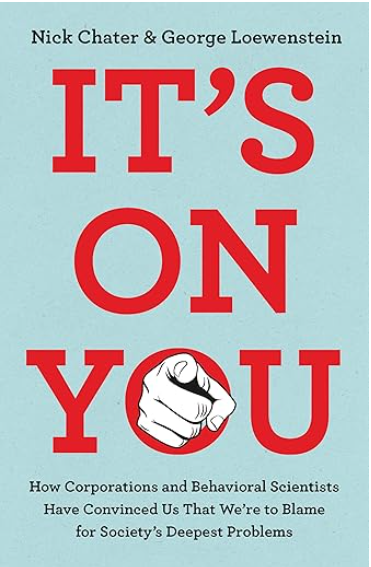
Nick Chater & George Loewenstein.   It’s On You: How the Rich and Powerful have convinced us that we’re to blame for society’s deepest problems.   WH Allen, 2026.   345 pages. This book directly addresses an issue I’ve fussed about for ages: ...
‌ ‌ ‌ ‌ ‌ ‌ ‌ ‌ ‌ ‌ ‌ ‌ ‌ ‌ ‌ ‌ ‌ ‌ ‌ ‌ ‌ ‌ ‌ ‌ ‌ ‌ ‌ ‌ ‌ ‌ ‌ ‌ ‌ ‌ ‌ ‌ ‌ ‌ ‌ ‌ ‌ ‌ ‌ ‌ ‌ ‌ ‌ ‌ ‌ ‌ ‌ ‌ ‌ ‌ ‌ ‌ ‌ ‌ ‌ ‌ ‌ ‌ ‌ ‌ ‌ ‌ ‌ ‌ ‌ ‌ ‌ ‌ ‌ ‌ ‌ ‌ ‌ ‌ ‌ ‌ ‌ ‌ ‌ ‌ ‌ ‌ ‌ ‌ ‌ ‌ ‌ ‌ ‌ ‌ ‌ ‌ ‌ ‌ ‌ ‌ ‌ ‌ ‌ ‌ ‌ ‌ ‌ ‌ ‌ ‌ ‌ ‌ ‌ ‌ ‌ ‌ ‌ ‌ ‌ ‌ ‌ ‌ ‌ ‌ ‌ ‌ ‌ ‌ ‌ ‌ ‌ ‌ ‌ ‌ ‌ ‌ ‌ ‌ ‌ ‌ ‌ ‌ ‌ ‌ ‌ ‌ ‌ ‌ ‌ ‌ ‌ ‌ ‌ ‌ ‌ ‌ ‌ ‌ ‌ ‌ ‌ ‌ ‌ ‌ ‌ ‌ ‌ ‌ ‌ ‌ ‌ ‌ ‌ ‌ ‌ ‌ ‌ ‌ ‌ ‌ ‌ ‌ ‌ ‌ ‌ ‌ ‌ ‌ ‌ ‌ ‌ ‌ ‌ ‌ ‌ ‌ ‌ ‌ ‌ ‌ ‌ ‌ ‌ ‌ ‌ ‌ ‌ ‌ ‌ ‌ ‌ ‌ ‌ ‌ ‌ ‌ ‌ ‌ ‌ ‌ ‌ ‌ ‌ ‌ ‌ ‌ ‌ ‌ ‌ ‌ ‌ ‌ ‌ ‌ ‌ ‌ ‌ ‌ ‌ ‌ ‌ ‌ ‌ ‌ ‌ ‌ ‌ ‌ ‌ ‌ ‌ ‌ ‌ ‌ ‌ ‌ ‌ ‌ ‌ ‌ 

By Marion Nestle

Weekend reading: It’s all your fault

Nick Chater & George Loewenstein.  It’s On You: How the Rich and Powerful have convinced us that we’re to blame for society’s deepest problems.  WH Allen, 2026.  345 pages.

This book directly addresses an issue I’ve fussed about for ages: putting the blame for poor diets on individuals and ignoring the social and political forces that make eating healthfully so difficult and expensive.

As I like to put it, if you are trying to eat healthfully in today’s food environment, you are fighting an entire food system on your own.

Chater and Loewenstein take on much more than diets; their book deals with such matters as pollution, climate change, health care, and inequality from the standpoint of how the issues are framed: i-frame (individual behavior is at fault) versus s-frame (the system makes healthy choices impossible).

As they put it,

Instead of making people fat and then providing them with expensive drugs to curb their appetites, clearly our first collective priority should be to tackle the root cause of obesity—and this means a radical overhaul of how the food industry is regulated, taxed, and subsidized, and reversing the trend toward energy-dense, high processed foods and drinks deliberately engineered to be as difficult to stop consuming as possible.  This means forcing the food industry, through regulations or financial incentives, to create and market products that promote, rather than damage, human health.  p. 76.

How can we do better?…We’ll see that the answer is not primariy about inventing new, innovative policies: For most of the problems we have discussed, there are examples of successful policies implemented in other countriesthat could provide almost off-the-shelf solutions.  Social and environmental problems exist not because we can’t figure out how to solve them, but because powerful interests benefit from the status quo.  So the key question is how to build support for, and to frame, those policies in ways that can attract the coalition of support required to drive change.  p. 209.

We’ve seen throughout this book that rigged rules, not flawed individuals, lie at the heart of many of society’s most persisstent problems.  But if this is right, a natural question arises: Why aren’t the rules reformed to work in the intersts of the many, not the few, given that in a democracy the many have, by definition, the majority of the votes?  The answer, as we gave seebm us that the demoncratic process has been hacked by the powerful and wealthy.  This corrupting influence of power and money on politics is an ever present threat…. p.259

We’ve argued in this book that many of our most pressing and persistent social and environmental problems remain unsolved not because we don’t collectively know how to solve them, but because powerful interests beneft from their not being solved.  Indeed, the powerful typicallt do everything they can to ensure that the rules of the game are rigged in their favor….multinational food companies use their influence to expand their global markets for unhealthy ultraprocessed foods and to push back against legislative restrictions aimed at improving public health….  p. 271

This is an important argument, one that bears endless repeating—along with action to change the system.

Get money out of politics!

The post Weekend reading: It’s all your fault appeared first on Food Politics by Marion Nestle

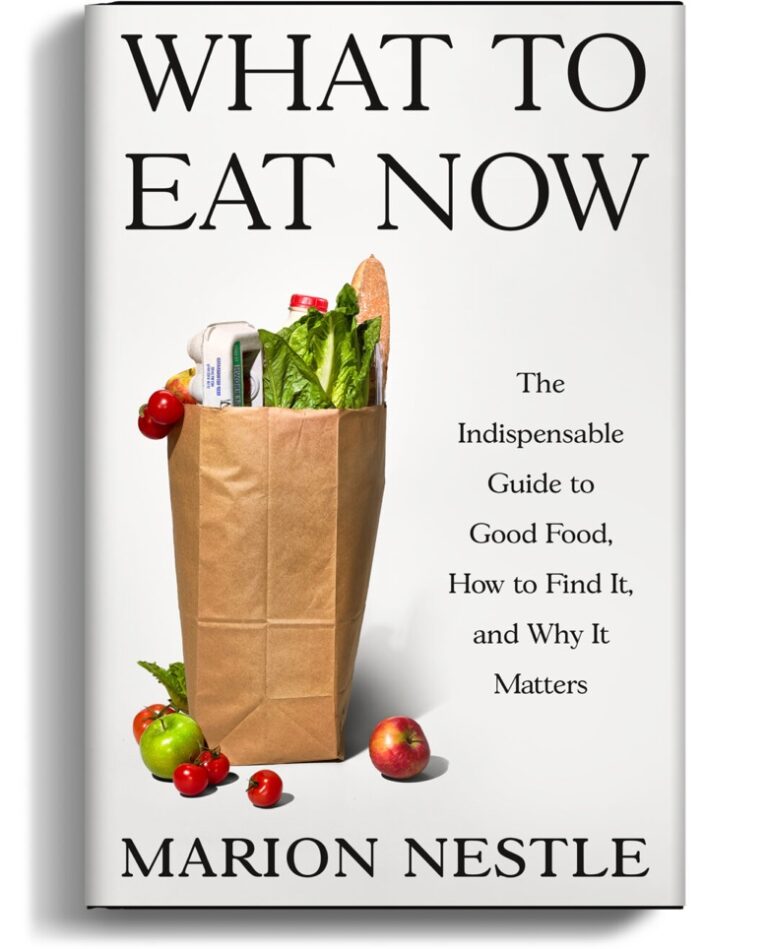
Now Available: What to Eat Now

My new book, What to Eat Now, is officially out!

It's both a field guide to food shopping in America and a reflection on how to eat well—and deliciously.

For more information and to order, click here.

You can explore the full archive of this (almost) daily blog at foodpolitics.comwhere you'll also find information about my books, articles, media interviews, upcoming lectures, favorite resources, and FAQs.


​​​​​​​

Marion Nestle

Paulette Goddard Professor of Nutrition, Food Studies, and Public Health at New York University, Emerita


© Marion Nestle. You're receiving this email because you've signed up to receive updates from us.

If you'd prefer not to receive updates, you can unsubscribe.


No comments:

Post a Comment

Latest from Food Politics: Weekend reading: It's all your fault

Nick Chater & George Loewenstein.   It’s On You: How the Rich and Powerful have convinced us that we’re to blame for society’s deepest...