Monday, February 16, 2026

Latest from Food Politics: Industry-funded study of the week: Whole Milk and weight loss

To many people, full-fat milk tastes better and is more satisfying, which is reason enough to prefer it.   But the “drink full-fat milk” advice in the new dietary guidelines doesn’t make much sense to me.   Most of the nutrients in milk are in ...
‌ ‌ ‌ ‌ ‌ ‌ ‌ ‌ ‌ ‌ ‌ ‌ ‌ ‌ ‌ ‌ ‌ ‌ ‌ ‌ ‌ ‌ ‌ ‌ ‌ ‌ ‌ ‌ ‌ ‌ ‌ ‌ ‌ ‌ ‌ ‌ ‌ ‌ ‌ ‌ ‌ ‌ ‌ ‌ ‌ ‌ ‌ ‌ ‌ ‌ ‌ ‌ ‌ ‌ ‌ ‌ ‌ ‌ ‌ ‌ ‌ ‌ ‌ ‌ ‌ ‌ ‌ ‌ ‌ ‌ ‌ ‌ ‌ ‌ ‌ ‌ ‌ ‌ ‌ ‌ ‌ ‌ ‌ ‌ ‌ ‌ ‌ ‌ ‌ ‌ ‌ ‌ ‌ ‌ ‌ ‌ ‌ ‌ ‌ ‌ ‌ ‌ ‌ ‌ ‌ ‌ ‌ ‌ ‌ ‌ ‌ ‌ ‌ ‌ ‌ ‌ ‌ ‌ ‌ ‌ ‌ ‌ ‌ ‌ ‌ ‌ ‌ ‌ ‌ ‌ ‌ ‌ ‌ ‌ ‌ ‌ ‌ ‌ ‌ ‌ ‌ ‌ ‌ ‌ ‌ ‌ ‌ ‌ ‌ ‌ ‌ ‌ ‌ ‌ ‌ ‌ ‌ ‌ ‌ ‌ ‌ ‌ ‌ ‌ ‌ ‌ ‌ ‌ ‌ ‌ ‌ ‌ ‌ ‌ ‌ ‌ ‌ ‌ ‌ ‌ ‌ ‌ ‌ ‌ ‌ ‌ ‌ ‌ ‌ ‌ ‌ ‌ ‌ ‌ ‌ ‌ ‌ ‌ ‌ ‌ ‌ ‌ ‌ ‌ ‌ ‌ ‌ ‌ ‌ ‌ ‌ ‌ ‌ ‌ ‌ ‌ ‌ ‌ ‌ ‌ ‌ ‌ ‌ ‌ ‌ ‌ ‌ ‌ ‌ ‌ ‌ ‌ ‌ ‌ ‌ ‌ ‌ ‌ ‌ ‌ ‌ ‌ ‌ ‌ ‌ ‌ ‌ ‌ ‌ ‌ ‌ ‌ ‌ ‌ ‌ ‌ ‌ ‌ ‌ ‌ 

By Marion Nestle

Industry-funded study of the week: Whole Milk and weight loss

To many people, full-fat milk tastes better and is more satisfying, which is reason enough to prefer it.  But the “drink full-fat milk” advice in the new dietary guidelines doesn’t make much sense to me.  Most of the nutrients in milk are in the whey portion and vitamins A and D are added to low fat milk.  This makes low- and full-fat milk pretty much equally nutritious.   Also, full-fat milk is just as processed as skim milk; the dairy industry removes the fat and adds it back to the desired percentage.

But the dairy industry wants to sell more full-fat milk and sponsors research demonstrating its superiority.  This recent example replaced their typical dairy consumption with whole milk.  If they had the right kind of intestinal bacteria, they lost weight.

The study: Qin P, Berzina L, Geiker NRW, Sandby K, Krarup T, Kristiansen K, Magkos F. Associations Between Gut Microbiome Enterotypes and Body Weight Change During Whole Milk Consumption. Nutrients. 2026; 18(4):563. https://doi.org/10.3390/nu18040563

Background: Evidence is accumulating that gut bacterial communities modulate the outcome of dietary interventions.

Objective: To assess how gut microbial enterotypes correlate with obesity-related outcomes during one month of whole milk consumption.

Methods: This post hoc analysis used data from a previously published trial, which included a lead-in phase during which men with abdominal adiposity replaced habitual dairy product consumption with 400 g/day of whole milk for one month. We compared body weight, urinary metabolites, fecal metabolites, and gut microbiome composition and function based on shotgun metagenomic sequencing at the beginning and at the end of the lead-in phase between individuals with the two most prevalent enterotypes, the Bacteroides1 (B1) enterotype (n = 24) and the Ruminococcaceae (R) enterotype (n = 38).

Results: Individuals with the B1 enterotype, but not those with the R enterotype, exhibited decreases in body weight and the relative abundance of Streptococcus thermophilus. Multiple linear regression analysis identified enterotype as a strong predictor of body weight change (p = 0.0034). In addition, urinary taurine level change was positively associated with body weight change in B1 individuals, not in R individuals.

Conclusions: Our findings reveal an enterotype-specific response to an identical dietary modification, underscoring the value of integrating enterotype information into nutrition-intervention design and personalized nutrition strategies.

Funding: The FerMetS study and analyses were funded by research grants from Arla Food for Health and the Danish Milk Levy Fund. Dairy products were provided by Arla Foods amba.

Conflicts of Interest: NRWG has received grants from the Danish Agricultural and Food Council. FM has received grants from Arla Foods A/S. The funder had no role in the study design, data collection, data analysis, data interpretation, or the decision to publish the results. The remaining authors declare that they have no conflicts of interest.

Comment

I checked the Arla Foods website.  It says: “Arla Foods is the 4th largest dairy company in the world and a cooperative owned by more than 12,700 dairy farmers.”  The relationship between the microbiome and body weight is truly fascinating and this study suggests that some kinds of bacteria are better than others for maintaining a healthy weight.  The authors make the point of this study clear in their conclusion: “In summary, our findings suggest that individuals with the B1 enterotype may be more prone to weight loss in response to whole milk consumption…..”  They view whole milk as a diet aid.

The post Industry-funded study of the week: Whole Milk and weight loss appeared first on Food Politics by Marion Nestle

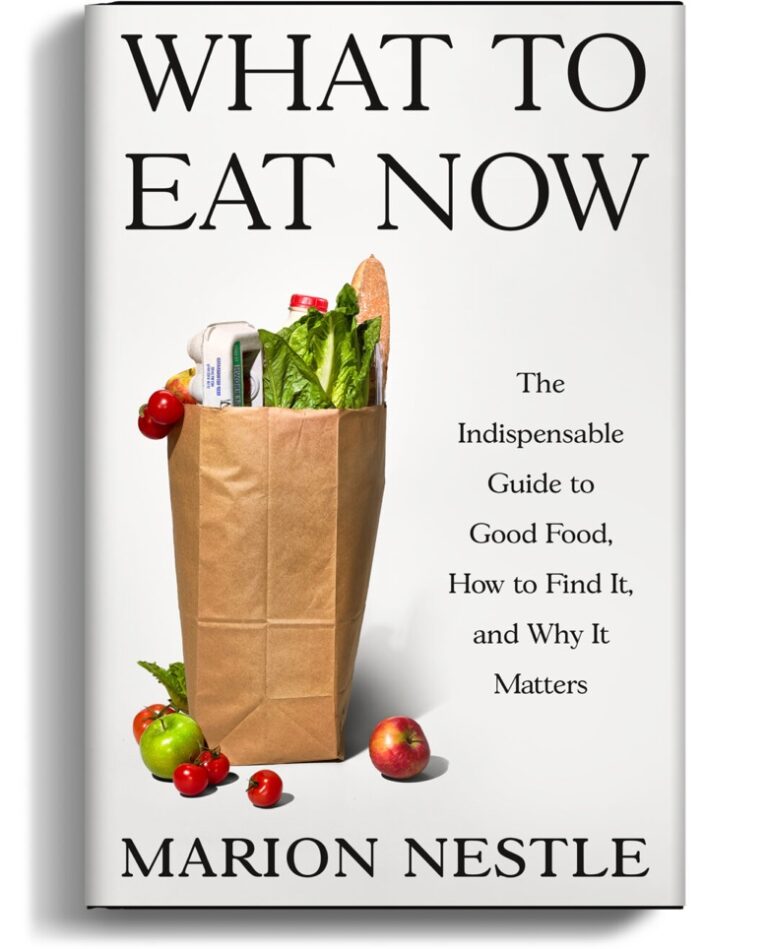
Now Available: What to Eat Now

My new book, What to Eat Now, is officially out!

It's both a field guide to food shopping in America and a reflection on how to eat well—and deliciously.

For more information and to order, click here.

You can explore the full archive of this (almost) daily blog at foodpolitics.comwhere you'll also find information about my books, articles, media interviews, upcoming lectures, favorite resources, and FAQs.


​​​​​​​

Marion Nestle

Paulette Goddard Professor of Nutrition, Food Studies, and Public Health at New York University, Emerita


© Marion Nestle. You're receiving this email because you've signed up to receive updates from us.

If you'd prefer not to receive updates, you can unsubscribe.


Sunday, February 15, 2026

Your Newspaper, 16th of February

Latest from Food Politics: Industry-funded study of the week: Whole Milk and weight loss

To many people, full-fat milk tastes better and is more satisfying, which is reason enough to prefer it.   But the “drink full-fat milk” adv...