
Thursday, April 30, 2026

Latest from Food Politics: Cell-based chocolate? Oh, why not.

I am not usually a fan of techno foods, but I have to admit: this one might have possibilities. World’s first cell-based chocolate bar developed with Mondelēz: The first-ever milk chocolate bars made with cell-cultivated cocoa butter have been ...
‌ ‌ ‌ ‌ ‌ ‌ ‌ ‌ ‌ ‌ ‌ ‌ ‌ ‌ ‌ ‌ ‌ ‌ ‌ ‌ ‌ ‌ ‌ ‌ ‌ ‌ ‌ ‌ ‌ ‌ ‌ ‌ ‌ ‌ ‌ ‌ ‌ ‌ ‌ ‌ ‌ ‌ ‌ ‌ ‌ ‌ ‌ ‌ ‌ ‌ ‌ ‌ ‌ ‌ ‌ ‌ ‌ ‌ ‌ ‌ ‌ ‌ ‌ ‌ ‌ ‌ ‌ ‌ ‌ ‌ ‌ ‌ ‌ ‌ ‌ ‌ ‌ ‌ ‌ ‌ ‌ ‌ ‌ ‌ ‌ ‌ ‌ ‌ ‌ ‌ ‌ ‌ ‌ ‌ ‌ ‌ ‌ ‌ ‌ ‌ ‌ ‌ ‌ ‌ ‌ ‌ ‌ ‌ ‌ ‌ ‌ ‌ ‌ ‌ ‌ ‌ ‌ ‌ ‌ ‌ ‌ ‌ ‌ ‌ ‌ ‌ ‌ ‌ ‌ ‌ ‌ ‌ ‌ ‌ ‌ ‌ ‌ ‌ ‌ ‌ ‌ ‌ ‌ ‌ ‌ ‌ ‌ ‌ ‌ ‌ ‌ ‌ ‌ ‌ ‌ ‌ ‌ ‌ ‌ ‌ ‌ ‌ ‌ ‌ ‌ ‌ ‌ ‌ ‌ ‌ ‌ ‌ ‌ ‌ ‌ ‌ ‌ ‌ ‌ ‌ ‌ ‌ ‌ ‌ ‌ ‌ ‌ ‌ ‌ ‌ ‌ ‌ ‌ ‌ ‌ ‌ ‌ ‌ ‌ ‌ ‌ ‌ ‌ ‌ ‌ ‌ ‌ ‌ ‌ ‌ ‌ ‌ ‌ ‌ ‌ ‌ ‌ ‌ ‌ ‌ ‌ ‌ ‌ ‌ ‌ ‌ ‌ ‌ ‌ ‌ ‌ ‌ ‌ ‌ ‌ ‌ ‌ ‌ ‌ ‌ ‌ ‌ ‌ ‌ ‌ ‌ ‌ ‌ ‌ ‌ ‌ ‌ ‌ ‌ ‌ ‌ ‌ ‌ ‌ ‌ 

By Marion Nestle

Cell-based chocolate? Oh, why not.

I am not usually a fan of techno foods, but I have to admit: this one might have possibilities.

World’s first cell-based chocolate bar developed with Mondelēz: The first-ever milk chocolate bars made with cell-cultivated cocoa butter have been produced… Read more

Here’s how this works:

Celleste Bio uses cell suspension culture technology to produce cocoa butter in the lab, generating enough chocolate‑grade ingredient from a single cocoa bean to make chocolate bars.  To produce cell‑based cocoa butter, Celleste Bio takes a cocoa bean, opens it and places it in a Petri dish. Once cells begin to grow, they are extracted and fermented with water, sugar and vitamins, allowing biomass to develop. This biomass is then harvested and processed to create cocoa butter.

But if the taste and texture are good enough, this could address the problems currently faced by the chocolate industry in production, supply, human rights, labor, deforestation, and climate-change issues.

But alas, this intriguing technology is still in development.  It can produce a few prototype chocolate bars but is nowhere near scaling up to commercialize.

If it works, I might have to change my mind about techno foods.

The post Cell-based chocolate? Oh, why not. appeared first on Food Politics by Marion Nestle

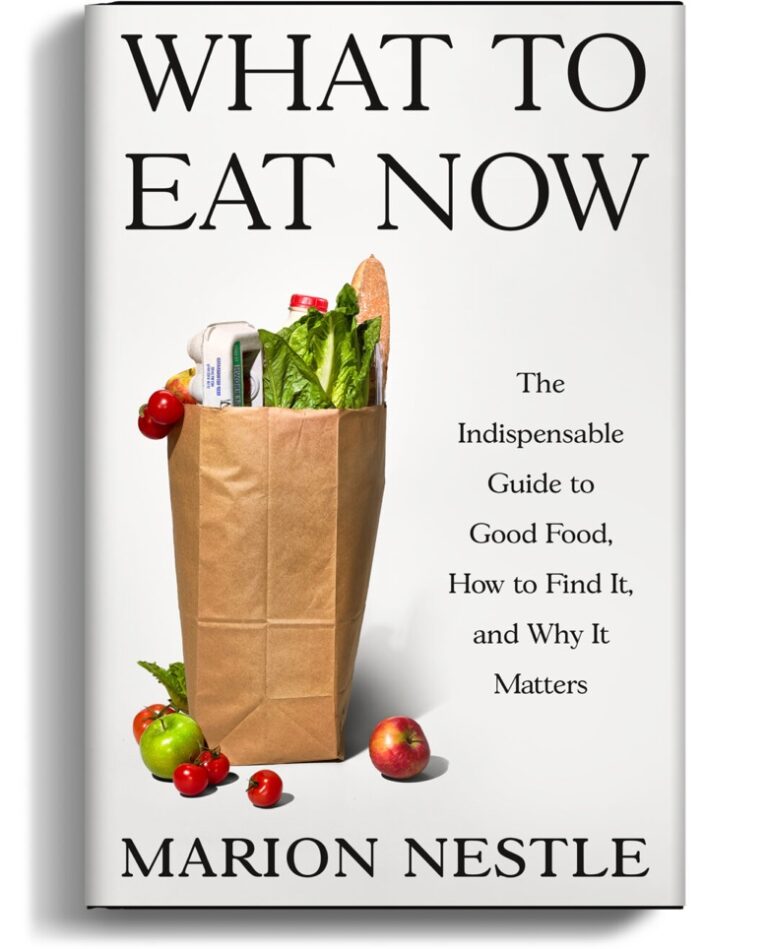
Now Available: What to Eat Now

My new book, What to Eat Now, is officially out!

It's both a field guide to food shopping in America and a reflection on how to eat well—and deliciously.

For more information and to order, click here.

You can explore the full archive of this (almost) daily blog at foodpolitics.comwhere you'll also find information about my books, articles, media interviews, upcoming lectures, favorite resources, and FAQs.


​​​​​​​

Marion Nestle

Paulette Goddard Professor of Nutrition, Food Studies, and Public Health at New York University, Emerita


© Marion Nestle. You're receiving this email because you've signed up to receive updates from us.

If you'd prefer not to receive updates, you can unsubscribe.


Wednesday, April 29, 2026

Latest from Food Politics: Preempting the GRAS loophole: not a good idea

One of the reasons for Monday’s rally at the Supreme Court (see Monday’s post) is the food industry’s efforts to be able to continue to use whatever additives it chooses, without regulatory oversight. A press release from the Environmental Working ...
‌ ‌ ‌ ‌ ‌ ‌ ‌ ‌ ‌ ‌ ‌ ‌ ‌ ‌ ‌ ‌ ‌ ‌ ‌ ‌ ‌ ‌ ‌ ‌ ‌ ‌ ‌ ‌ ‌ ‌ ‌ ‌ ‌ ‌ ‌ ‌ ‌ ‌ ‌ ‌ ‌ ‌ ‌ ‌ ‌ ‌ ‌ ‌ ‌ ‌ ‌ ‌ ‌ ‌ ‌ ‌ ‌ ‌ ‌ ‌ ‌ ‌ ‌ ‌ ‌ ‌ ‌ ‌ ‌ ‌ ‌ ‌ ‌ ‌ ‌ ‌ ‌ ‌ ‌ ‌ ‌ ‌ ‌ ‌ ‌ ‌ ‌ ‌ ‌ ‌ ‌ ‌ ‌ ‌ ‌ ‌ ‌ ‌ ‌ ‌ ‌ ‌ ‌ ‌ ‌ ‌ ‌ ‌ ‌ ‌ ‌ ‌ ‌ ‌ ‌ ‌ ‌ ‌ ‌ ‌ ‌ ‌ ‌ ‌ ‌ ‌ ‌ ‌ ‌ ‌ ‌ ‌ ‌ ‌ ‌ ‌ ‌ ‌ ‌ ‌ ‌ ‌ ‌ ‌ ‌ ‌ ‌ ‌ ‌ ‌ ‌ ‌ ‌ ‌ ‌ ‌ ‌ ‌ ‌ ‌ ‌ ‌ ‌ ‌ ‌ ‌ ‌ ‌ ‌ ‌ ‌ ‌ ‌ ‌ ‌ ‌ ‌ ‌ ‌ ‌ ‌ ‌ ‌ ‌ ‌ ‌ ‌ ‌ ‌ ‌ ‌ ‌ ‌ ‌ ‌ ‌ ‌ ‌ ‌ ‌ ‌ ‌ ‌ ‌ ‌ ‌ ‌ ‌ ‌ ‌ ‌ ‌ ‌ ‌ ‌ ‌ ‌ ‌ ‌ ‌ ‌ ‌ ‌ ‌ ‌ ‌ ‌ ‌ ‌ ‌ ‌ ‌ ‌ ‌ ‌ ‌ ‌ ‌ ‌ ‌ ‌ ‌ ‌ ‌ ‌ ‌ ‌ ‌ ‌ ‌ ‌ ‌ ‌ ‌ ‌ ‌ ‌ ‌ ‌ ‌ 

By Marion Nestle

Preempting the GRAS loophole: not a good idea

One of the reasons for Monday’s rally at the Supreme Court (see Monday’s post) is the food industry’s efforts to be able to continue to use whatever additives it chooses, without regulatory oversight.

A press release from the Environmental Working Group warns: ‘FRESH’ and Affordable Foods Act is rotten to the core.

This refers to a a draft bill introduced by Rep. Kat Cammack (R-Fla.) designed to preempt all state food chemical laws.

States have been passing inconvenient laws banning food dyes and chemicals.  The industry want this to stop.

According to the EWG’s analysis, the bill would do things like this (and more):

  • Allow new food chemicals linked to cancer and reproductive harm to be considered “safe.”
  • Retroactively approve all food chemicals currently considered generally recognized as safe (GRAS).
  • Allow new chemicals to be added to food if the FDA does not respond to a GRAS notice within 90 days.
  • Allow new chemicals reviewed by industry-funded expert panels – including the flavor industry’s notorious “expert” panel – to be automatically GRAS and used in food immediately.

Under the “GRAS loophole,” which Secretary Robert F. Kennedy, Jr, has vowed to close (this has not happened yet), chemical companies – not the FDA – decide whether a food chemical is safe. For new chemicals, companies submit a GRAS notice to the FDA, and the FDA responds with a “no questions” letter.

As an EWG analysis found, since 2000, almost all new chemicals – nearly 99% –  have come onto the market through the GRAS loophole.

The system is already inadequate; this act would make it worse (here’s my contribution to this discussion from more than a decade ago).

Helena Bottemiller Evich says in Food Fix: Food industry quietly advances its preemption push in Washington

Right now, preemption is becoming even more critical for industry because MAHA groups and consumer advocates have been having a ton of success in state legislatures. In many cases, the industry is actually getting creamed outside of Washington.

She notes that the New York legislature has just required companies to publicly disclose any additivies they self-determine to be GRAS (it also bans Red 3, propylparaben, and potassium bromate in the state).

This kind of action makes the food industry long for federal preemption.

Secretary Kennedy and the MAHA movement have promised to fix all this.  Will they be able to?

Stay tuned.

The post Preempting the GRAS loophole: not a good idea appeared first on Food Politics by Marion Nestle

Now Available: What to Eat Now

My new book, What to Eat Now, is officially out!

It's both a field guide to food shopping in America and a reflection on how to eat well—and deliciously.

For more information and to order, click here.

You can explore the full archive of this (almost) daily blog at foodpolitics.comwhere you'll also find information about my books, articles, media interviews, upcoming lectures, favorite resources, and FAQs.


​​​​​​​

Marion Nestle

Paulette Goddard Professor of Nutrition, Food Studies, and Public Health at New York University, Emerita


© Marion Nestle. You're receiving this email because you've signed up to receive updates from us.

If you'd prefer not to receive updates, you can unsubscribe.


Your Newspaper, 12th of May

- New updates !   ...