Monday, February 9, 2026

Latest from Food Politics: Industry-influenced conference of the week: reducing methane emissions

A reader, Harish Chintakunta, sent this suggestion for one of my Monday posts on conflicted science. Subject: UC Davis Methane Summit—A Case Study in Industry-Framed Science? Dear Dr. Nestle, …UC Davis hosted a “State of the Science Summit on ...
‌ ‌ ‌ ‌ ‌ ‌ ‌ ‌ ‌ ‌ ‌ ‌ ‌ ‌ ‌ ‌ ‌ ‌ ‌ ‌ ‌ ‌ ‌ ‌ ‌ ‌ ‌ ‌ ‌ ‌ ‌ ‌ ‌ ‌ ‌ ‌ ‌ ‌ ‌ ‌ ‌ ‌ ‌ ‌ ‌ ‌ ‌ ‌ ‌ ‌ ‌ ‌ ‌ ‌ ‌ ‌ ‌ ‌ ‌ ‌ ‌ ‌ ‌ ‌ ‌ ‌ ‌ ‌ ‌ ‌ ‌ ‌ ‌ ‌ ‌ ‌ ‌ ‌ ‌ ‌ ‌ ‌ ‌ ‌ ‌ ‌ ‌ ‌ ‌ ‌ ‌ ‌ ‌ ‌ ‌ ‌ ‌ ‌ ‌ ‌ ‌ ‌ ‌ ‌ ‌ ‌ ‌ ‌ ‌ ‌ ‌ ‌ ‌ ‌ ‌ ‌ ‌ ‌ ‌ ‌ ‌ ‌ ‌ ‌ ‌ ‌ ‌ ‌ ‌ ‌ ‌ ‌ ‌ ‌ ‌ ‌ ‌ ‌ ‌ ‌ ‌ ‌ ‌ ‌ ‌ ‌ ‌ ‌ ‌ ‌ ‌ ‌ ‌ ‌ ‌ ‌ ‌ ‌ ‌ ‌ ‌ ‌ ‌ ‌ ‌ ‌ ‌ ‌ ‌ ‌ ‌ ‌ ‌ ‌ ‌ ‌ ‌ ‌ ‌ ‌ ‌ ‌ ‌ ‌ ‌ ‌ ‌ ‌ ‌ ‌ ‌ ‌ ‌ ‌ ‌ ‌ ‌ ‌ ‌ ‌ ‌ ‌ ‌ ‌ ‌ ‌ ‌ ‌ ‌ ‌ ‌ ‌ ‌ ‌ ‌ ‌ ‌ ‌ ‌ ‌ ‌ ‌ ‌ ‌ ‌ ‌ ‌ ‌ ‌ ‌ ‌ ‌ ‌ ‌ ‌ ‌ ‌ ‌ ‌ ‌ ‌ ‌ ‌ ‌ ‌ ‌ ‌ ‌ ‌ ‌ ‌ ‌ ‌ ‌ ‌ ‌ ‌ ‌ ‌ ‌ 

By Marion Nestle

Industry-influenced conference of the week: reducing methane emissions

A reader, Harish Chintakunta, sent this suggestion for one of my Monday posts on conflicted science.

Subject: UC Davis Methane Summit—A Case Study in Industry-Framed Science?

Dear Dr. Nestle,

…UC Davis hosted a “State of the Science Summit on Reducing Methane from Animal Agriculture” (link). While the summit was billed as scientific, it was organized by institutions with strong financial ties to the livestock industry. Unsurprisingly, the most effective methane reduction strategy—phasing out animal agriculture—was not mentioned.

Instead, the narrative centered on sustaining and expanding animal production, framed as essential for global nutrition which you very well know is not supported by science. The result was less a discussion of science and more a reinforcement of corporate priorities, masquerading as objectivity.

I believe this event is a powerful example of how public institutions can unintentionally (or otherwise) advance industry agendas while sidelining viable alternatives. Your perspective on this would carry tremendous weight.

Methane emissions from cattle are greenhouse gases that strongly contribute to global warming.  The livestock industry would like to reduce methane if it can.  UC Davis, the University of California’s land grant campus, has long provided research to support the state’s industrial producers.  Its scientists recently found that feeding seaweed to cattle can reduce methane emissions.

I looked at the agenda for the 2025 conference.  It appears at first glance to be quite well balanced.  Speakers come from industry, but also from academia and environmental organizations such as the Environmental Working Group.   Several speakers come from the Global Methane Hub, which funds methane-reduction programs; the Hub is sponsored by a variety of industry- and privately funded foundations.

Without having been there, I have no way of knowing whether anyone at this meeting talked about how people and the planet would be healthier eating less meat.  As far as I can tell, no representatives of the EAT-Lancet Commission, which promotes a less-meat Planetary Health Diet, were listed as speakers.

So Mr. Chintakunta is correct: by focusing this meeting on reduction of methane emissions from cattle, rather than on methane emissions in general, it avoids having to deal with the inconvenient truth that eating less meat—which would be bad for the meat business—would be a lot better for planetary health.

The post Industry-influenced conference of the week: reducing methane emissions appeared first on Food Politics by Marion Nestle

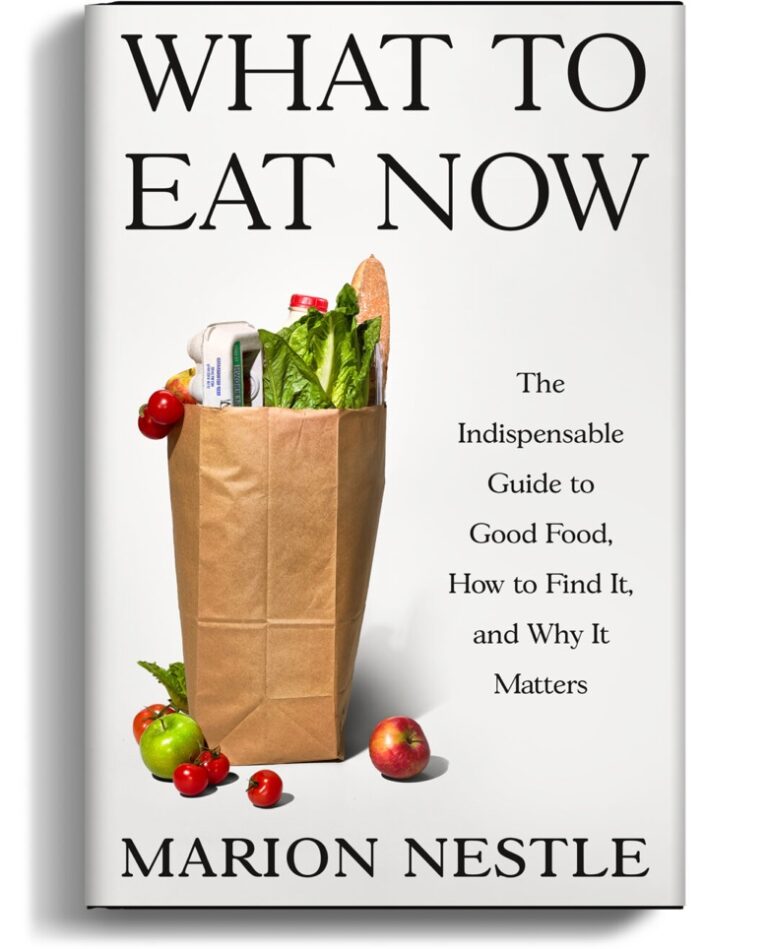
Now Available: What to Eat Now

My new book, What to Eat Now, is officially out!

It's both a field guide to food shopping in America and a reflection on how to eat well—and deliciously.

For more information and to order, click here.

You can explore the full archive of this (almost) daily blog at foodpolitics.comwhere you'll also find information about my books, articles, media interviews, upcoming lectures, favorite resources, and FAQs.


​​​​​​​

Marion Nestle

Paulette Goddard Professor of Nutrition, Food Studies, and Public Health at New York University, Emerita


© Marion Nestle. You're receiving this email because you've signed up to receive updates from us.

If you'd prefer not to receive updates, you can unsubscribe.


No comments:

Post a Comment

Latest from Food Politics: Industry-influenced conference of the week: reducing methane emissions

A reader, Harish Chintakunta, sent this suggestion for one of my Monday posts on conflicted science. Subject: UC Davis Methane Summit—A Case...