Wednesday, November 19, 2025

Latest from Food Politics: Out today: The Lancet series on ultra-processed foods
Today, the Lancet publishes three major papers on ultra-processed foods and human health: science, policy, and politics (I am a co-author on the policy and politics papers).   Here’s Peter Bond’s photo, the logo for the series. THE PAPERS I.   ...
‌ ‌ ‌ ‌ ‌ ‌ ‌ ‌ ‌ ‌ ‌ ‌ ‌ ‌ ‌ ‌ ‌ ‌ ‌ ‌ ‌ ‌ ‌ ‌ ‌ ‌ ‌ ‌ ‌ ‌ ‌ ‌ ‌ ‌ ‌ ‌ ‌ ‌ ‌ ‌ ‌ ‌ ‌ ‌ ‌ ‌ ‌ ‌ ‌ ‌ ‌ ‌ ‌ ‌ ‌ ‌ ‌ ‌ ‌ ‌ ‌ ‌ ‌ ‌ ‌ ‌ ‌ ‌ ‌ ‌ ‌ ‌ ‌ ‌ ‌ ‌ ‌ ‌ ‌ ‌ ‌ ‌ ‌ ‌ ‌ ‌ ‌ ‌ ‌ ‌ ‌ ‌ ‌ ‌ ‌ ‌ ‌ ‌ ‌ ‌ ‌ ‌ ‌ ‌ ‌ ‌ ‌ ‌ ‌ ‌ ‌ ‌ ‌ ‌ ‌ ‌ ‌ ‌ ‌ ‌ ‌ ‌ ‌ ‌ ‌ ‌ ‌ ‌ ‌ ‌ ‌ ‌ ‌ ‌ ‌ ‌ ‌ ‌ ‌ ‌ ‌ ‌ ‌ ‌ ‌ ‌ ‌ ‌ ‌ ‌ ‌ ‌ ‌ ‌ ‌ ‌ ‌ ‌ ‌ ‌ ‌ ‌ ‌ ‌ ‌ ‌ ‌ ‌ ‌ ‌ ‌ ‌ ‌ ‌ ‌ ‌ ‌ ‌ ‌ ‌ ‌ ‌ ‌ ‌ ‌ ‌ ‌ ‌ ‌ ‌ ‌ ‌ ‌ ‌ ‌ ‌ ‌ ‌ ‌ ‌ ‌ ‌ ‌ ‌ ‌ ‌ ‌ ‌ ‌ ‌ ‌ ‌ ‌ ‌ ‌ ‌ ‌ ‌ ‌ ‌ ‌ ‌ ‌ ‌ ‌ ‌ ‌ ‌ ‌ ‌ ‌ ‌ ‌ ‌ ‌ ‌ ‌ ‌ ‌ ‌ ‌ ‌ ‌ ‌ ‌ ‌ ‌ ‌ ‌ ‌ ‌ ‌ ‌ ‌ ‌ ‌ ‌ ‌ ‌ ‌ 

By Marion Nestle

Out today: The Lancet series on ultra-processed foods
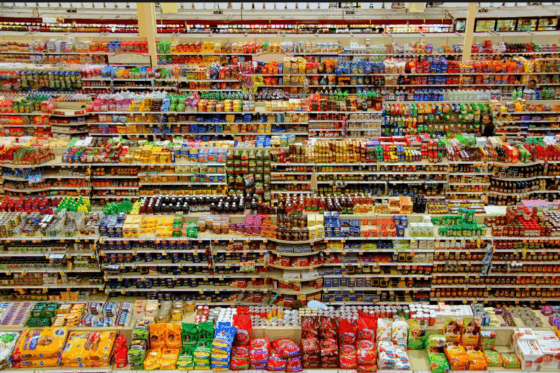
Today, the Lancet publishes three major papers on ultra-processed foods and human health: science, policy, and politics (I am a co-author on the policy and politics papers).  Here’s Peter Bond’s photo, the logo for the series.

THE PAPERS

I.  SCIENCE

Ultra-processed foods and human health: the main thesis and the evidence. Carlos A Monteiro, Maria LC Louzada, Euridice Steele-Martinez, Geoffrey Cannon, Giovanna C Andrade, Phillip Baker, Maira Bes-Rastrollo, Marialaura Bonaccio, Ashley N Gearhardt, Neha Khandpur, Marit Kolby, Renata B Levy, Priscila P Machado, Jean-Claude Moubarac, Leandro F M Rezende, Juan A Rivera, Gyorgy Scrinis, Bernard Srour, Boyd Swinburn, Mathilde Touvier.

This first paper defines ultra-processed foods and diets as including three specific elements:

  • Industrially produced
  • Made from cheap ingredients extracted from whole foods, combined with additives
  • Designed to maximize industry profits

It presents the evidence in support of three hypotheses about ultra-processed dietary patterns.  These:

  • Globally displace traditional diets based on whole foods.
  • Reduce dietary quality.
  • Are a key driver of the escalating global burden of diet-related chronic diseases.

II.  POLICY

Policies to halt and reverse the rise in ultra-processed food production, marketing, and consumption. [Full text here] Gyorgy Scrinis, Barry M Popkin, Camila Corvalan, Ana Clara Duran, Marion Nestle, Mark Lawrence, Phillip Baker, Carlos A Monteiro, Christopher Millet, Jean-Claude Moubarac, Patricia Jaime, Neha Khandpur.

This paper presents evidence in support of policies to:

  • Reduce intake of ultra-processed foods as well as those high in sugar, salt, and fats.
  • Restrict the marketing, availability, and affordability of ultra-processed foods (examples: taxes, warning labels, advertising bans, limits on use in schools, etc).
  • Restrict the marketing and political power of transnational food corporations (manufacturers, retailers, fast food chains, agricultural producers).
  • Support the production, availability, and affordability of minimally processed foods.

III.  POLITICS

Towards unified global action on ultra-processed foods: understanding commercial determinants, countering corporate power, and mobilising a public health response.  [Full text here] Phillip Baker, Scott Slater, Mariel White, Benjamin Wood, Alejandra Contreras, Camila Corvalán, Arun Gupta, Karen Hofman, Petronell Kruger, Amos Laar, Mark Lawrence, Mikateko Mafuyeka, Melissa Mialon, Carlos A Monteiro, Silver Nanema, Sirinya Phulkerd, Barry M Popkin, Paulo Serodio, Katherine Shats, Christoffer Van Tulleken, Marion Nestle, Simón Barquera.

This paper describes how the food industry is the main barrier to reducing intake of ultra-processed foods.

Food companies exert political power through corporate political activities, coordinated through a global network of front groups, multi-stakeholder initiatives, and research partners.  They:

  • Engage in direct lobbying,, infiltrate government agencies, and litigate
  • Promote corporate-friendly governance models, forms of regulation, and civil societies
  • Frame debate, generate favorable research evidence, and manufacture scientific doubt

To counter such corporate practices, actions are needed to

  • Disrupt the ultraprocessed business model
  • Redistributing resources to other types of food producers
  • Protect food governance from corporate interference
  • Implement robust conflict of interest safeguards in policy making, research, and professional practice.

This paper also addresses and responds to criticisms of the ultra-processed concept.

KEY MESSAGE: Reducing production and consumption of ultra-processed foods is a priority global health issue.

Thereore, ultra-processed foods require a global response to:

  • Confront corporate power,
  • Reclaim public policy space
  • Restructure food systems to prioritize health, equity, and sustainability over corporate profit.

No excuses.  Get to work!

RESOURCES

The post Out today: The Lancet series on ultra-processed foods appeared first on Food Politics by Marion Nestle

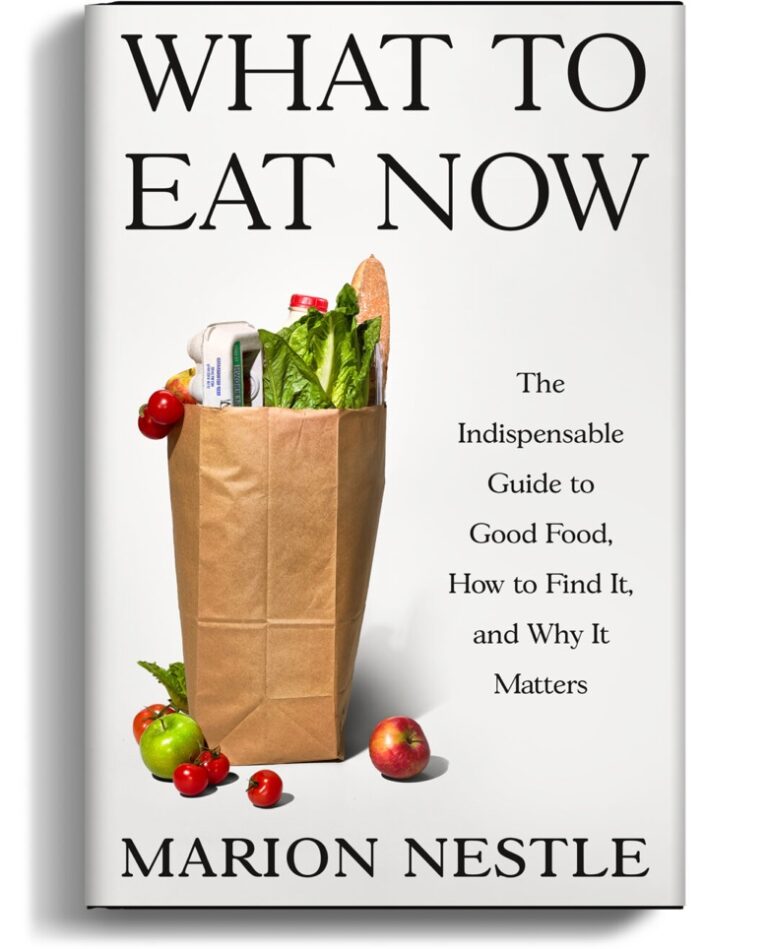
Now Available: What to Eat Now

My new book, What to Eat Now, is officially out!

It's both a field guide to food shopping in America and a reflection on how to eat well—and deliciously.

For more information and to order, click here.

You can explore the full archive of this (almost) daily blog at foodpolitics.comwhere you'll also find information about my books, articles, media interviews, upcoming lectures, favorite resources, and FAQs.


​​​​​​​

Marion Nestle

Paulette Goddard Professor of Nutrition, Food Studies, and Public Health at New York University, Emerita


© Marion Nestle. You're receiving this email because you've signed up to receive updates from us.

If you'd prefer not to receive updates, you can unsubscribe.


No comments:

Post a Comment

Independent - Travel: Europe - new message

- ...