Tuesday, January 27, 2026

Latest from Food Politics: My latest publication: BMJ editorial on the dietary guidelines

Politics trump science in new US dietary guidelines Evidence takes a backseat to conflicting interests in the latest health mandates BMJ 2026;392:s143 doi: https://doi. org/10. 1136/bmj. s143  The new dietary guidelines1 and food pyramid2 issued by ...
‌ ‌ ‌ ‌ ‌ ‌ ‌ ‌ ‌ ‌ ‌ ‌ ‌ ‌ ‌ ‌ ‌ ‌ ‌ ‌ ‌ ‌ ‌ ‌ ‌ ‌ ‌ ‌ ‌ ‌ ‌ ‌ ‌ ‌ ‌ ‌ ‌ ‌ ‌ ‌ ‌ ‌ ‌ ‌ ‌ ‌ ‌ ‌ ‌ ‌ ‌ ‌ ‌ ‌ ‌ ‌ ‌ ‌ ‌ ‌ ‌ ‌ ‌ ‌ ‌ ‌ ‌ ‌ ‌ ‌ ‌ ‌ ‌ ‌ ‌ ‌ ‌ ‌ ‌ ‌ ‌ ‌ ‌ ‌ ‌ ‌ ‌ ‌ ‌ ‌ ‌ ‌ ‌ ‌ ‌ ‌ ‌ ‌ ‌ ‌ ‌ ‌ ‌ ‌ ‌ ‌ ‌ ‌ ‌ ‌ ‌ ‌ ‌ ‌ ‌ ‌ ‌ ‌ ‌ ‌ ‌ ‌ ‌ ‌ ‌ ‌ ‌ ‌ ‌ ‌ ‌ ‌ ‌ ‌ ‌ ‌ ‌ ‌ ‌ ‌ ‌ ‌ ‌ ‌ ‌ ‌ ‌ ‌ ‌ ‌ ‌ ‌ ‌ ‌ ‌ ‌ ‌ ‌ ‌ ‌ ‌ ‌ ‌ ‌ ‌ ‌ ‌ ‌ ‌ ‌ ‌ ‌ ‌ ‌ ‌ ‌ ‌ ‌ ‌ ‌ ‌ ‌ ‌ ‌ ‌ ‌ ‌ ‌ ‌ ‌ ‌ ‌ ‌ ‌ ‌ ‌ ‌ ‌ ‌ ‌ ‌ ‌ ‌ ‌ ‌ ‌ ‌ ‌ ‌ ‌ ‌ ‌ ‌ ‌ ‌ ‌ ‌ ‌ ‌ ‌ ‌ ‌ ‌ ‌ ‌ ‌ ‌ ‌ ‌ ‌ ‌ ‌ ‌ ‌ ‌ ‌ ‌ ‌ ‌ ‌ ‌ ‌ ‌ ‌ ‌ ‌ ‌ ‌ ‌ ‌ ‌ ‌ ‌ ‌ ‌ ‌ ‌ ‌ ‌ ‌ 

By Marion Nestle

My latest publication: BMJ editorial on the dietary guidelines

Politics trump science in new US dietary guidelines Evidence takes a backseat to conflicting interests in the latest health mandates

BMJ 2026;392:s143 doi: https://doi.org/10.1136/bmj.s143 

The new dietary guidelines1 and food pyramid2 issued by the US Departments of Health and Human Services and Agriculture have been met with great fanfare and furore.34 Under the aegis of “make America healthy again,” their overall message is the sensible, “Eat real food.” Among the actual guidelines, three repeat longstanding advice: “Eat the right amount for you,” “Focus on whole grains,” and “Eat vegetables and fruits throughout the day.” The guidelines reiterate longstanding recommendations to limit sugars and saturated fat to 10% of calories, and sodium to 2300 mg/day. But for the first time, they also include food processing: “Limit highly processed foods, added sugars, and refined carbohydrates.” Although this guideline does not use the term “ultraprocessed,” that is what it means; it calls for limits on petroleum based dyes and artificial sweeteners, flavours, and preservatives.5 So far, so good.

But then come four additional guidelines: “Prioritise protein foods at every meal,” “Consume dairy,” “Incorporate healthy fats,” and “Limit alcoholic beverages.” These redefine protein to favour meat rather than plant consumption, prioritise full fat rather than low fat dairy foods, specify butter and beef tallow as examples of healthy fats, and omit warnings about alcohol as a cancer risk. This reverses decades of heart health advocacy.

Questionable provenance

Most troubling is the lack of due process, dismissal of scientific consensus, and overt conflicts of interests in producing these guidelines, despite stated promises that they would reflect “gold standard science” and would not reflect corporate interests.6 Since 1980, the production of the guidelines has followed a two to three year process: a scientific report is written by the Dietary Guidelines Advisory Committee, the report is used to develop the guidelines, and a food guide is based on the guidelines. When I was a member of the committee in 1995, we set the research questions, reviewed the research, wrote the scientific report, and wrote the guidelines. Later, the departments of health and agriculture jointly took over all stages except the research review, allowing politics to overpower the science.

For these new guidelines, the agencies rejected the scientific report commissioned during the Biden presidency7 and appointed their own committee, giving it only three months to produce its 90 page report and 418 page appendix.89 Although the agencies insisted that these guidelines would not reflect industry influence and would be free of conflicts of interest, they kept neither promise. Most members of the research committee reported financial ties to food companies with vested interests in dietary advice; four members, for example, reported financial relationships with beef, pork, and dairy trade associations.910

One lawsuit is already charging the agencies with disregarding congressionally mandated processes for preparing the guidelines and, instead, relying on the recommendations of a “hastily assembled … panel of meat, dairy, and fat diet industry insiders,”11 whose names were revealed only on publication of their report. Who wrote the guidelines and designed the pyramid remains undisclosed.

Previous guidelines emphasised the benefits of diets based on lean meats, low fat dairy products, and plant sources of protein.12 These do the opposite. Although they say, “Every meal must prioritize high-quality, nutrient-dense protein from both animal and plant sources,” animal sources clearly come first, making protein seem a euphemism for meat. The guidelines recommend increasing protein intake from 0.8 g/kg body weight to 1.2 to 1.6 g/kg, despite current US consumption levels already being close to 1.2 g/kg, two thirds of which comes from meat.13 Furthermore, there is scarce evidence that exceeding current levels provides additional benefit.14 Adhering to higher protein goals while keeping saturated fat to 10% of calories will be challenging.

The messages about meat and full fat dairy are explicitly evangelical.7 Health and human services secretary, Robert F Kennedy Jr, posted on X, “Beef is BACK.” He and agriculture secretary, Brooke Rollins, appear on X with milk moustaches promoting full fat dairy. It too is “BACK,” supported by a new law requiring whole milk to be offered in schools.15 As for alcohol, health official Mehmet Oz said, “I don’t think you should drink alcohol, but it does allow people an excuse to bond and socialise, and there’s probably nothing healthier than having a good time with friends in a safe way.”16 Such messages minimise the risks of alcohol to health and society.17

The idea behind these messages is that eating real food and avoiding ultraprocessed food will achieve satiety and promote health, which they well might.51819 But largely plant based diets benefit health—and the environment.2021 In contrast, meat and dairy production pollute the environment, release greenhouse gases, and raise issues of animal welfare and worker safety.2223 These guidelines ignore such issues.

Also omitted is any discussion of the resources needed to follow such advice. Real food is more expensive than ultraprocessed foods and requires cooking skills, kitchens, equipment, and time. Not everyone has such things, but the agencies explicitly reject equity as a consideration.7 These guidelines also must be understood within the context of the current dismantling of the US public health system. We need public health to support diets that really can promote human and environmental health.

Footnotes

  • Competing interests: MN has no competing interests with food and beverage companies; she earns royalties from books and honorariums from lectures about the politics of food.

  • Provenance and peer review: Commissioned, not externally peer reviewed.

References

  1. ↵ HHS, USDA. Dietary guidelines for Americans, 2025-2030. https://cdn.realfood.gov/DGA.pdf
  2. ↵ HHS, USDA. Real food starts here. https://realfood.gov/
  3. ↵ USDA. Kennedy, Rollins unveil historic reset of U.S. nutrition policy, put real food back at center of health. Press release, 7 Jan 2026. https://www.usda.gov/about-usda/news/press-releases/2026/01/07/kennedy-rollins-unveil-historic-reset-us-nutrition-policy-put-real-food-back-center-health
  4. ↵ Tanner J. Experts reveal greatest concerns with RFK Jr.’s new dietary guidelines. The Hill 17 Jan 2026. https://thehill.com/policy/healthcare/5692009-experts-reveal-greatest-concerns-with-rfk-jr-s-new-dietary-guidelines/
  5. Monteiro CA, Louzada MLC, Steele-Martinez E, et al. Ultra-processed foods and human health: the main thesis and the evidence. Lancet 2025;406:2667-84. doi:10.1016/S0140-6736(25)01565-X.
  6. ↵ HHS. Fact sheet: Trump administration resets US nutrition policy, puts real food back at the center of health. 2026. https://www.hhs.gov/press-room/fact-sheet-historic-reset-federal-nutrition-policy.html
  7. ↵ Scientific Report of the 2025 Dietary Guidelines Advisory Committee. 2025. https://www.dietaryguidelines.gov/sites/default/files/2024-12/Scientific_Report_of_the_2025_Dietary_Guidelines_Advisory_Committee_508c.pdf
  8. ↵ HHS, USDA. The scientific foundation for the dietary guidelines for Americans. 2026. https://cdn.realfood.gov/Scientific%20Report.pdf
  9. ↵ HHS, USDA. The scientific foundation for the dietary guidelines for Americans Appendices. 2026. https://cdn.realfood.gov/Scientific%20Report%20Appendices.pdf
  10. ↵ Cueto I. Behind new dietary guidelines: Industry-funded studies, opaque science, crushing deadline pressure. Stat News 17 Jan 2026. https://www.statnews.com/2026/01/17/new-food-pyramid-behind-the-scenes-dietary-guideline-development/
  11. ↵ Physicians Committee for Responsible Medicine. Petition for investigation and administrative action. 2026. https://pcrm.widen.net/s/p6qggt8j6n/dietary-guidelines-usda-hhs-complaint-physicians-committee-for-responsible-medicine
  12. ↵ US Government. Previous editions of the Dietary Guidelines for Americans.https://www.dietaryguidelines.gov/about-dietary-guidelines/previous-editions
  13. ↵ Hoy MK, Clemens JC, Moshfegh AJ. Protein intake of adults in the US: what we eat in America, NHANES 2015-2016. Food surveys research group dietary data brief No 29. 2021. https://www.ncbi.nlm.nih.gov/books/NBK589212/
  14. ↵ USDA. Whole Milk for Healthy Kids Act of 2025—implementation requirements for the national school lunch program. 2026. https://www.fns.usda.gov/nslp/wmfhka-implementation
  15. ↵ Rabin RC. New dietary guidelines abandon longstanding advice on alcohol. New York Times 7 Jan 2026. https://www.nytimes.com/2026/01/07/health/dietary-guidelines-alcohol.html
  16. ↵ Centers for Disease Control and Prevention. Alcohol use and your health. 2025. https://www.cdc.gov/alcohol/about-alcohol-use/index.html
  17. ↵ Dicken SJ,

The post My latest publication: BMJ editorial on the dietary guidelines appeared first on Food Politics by Marion Nestle

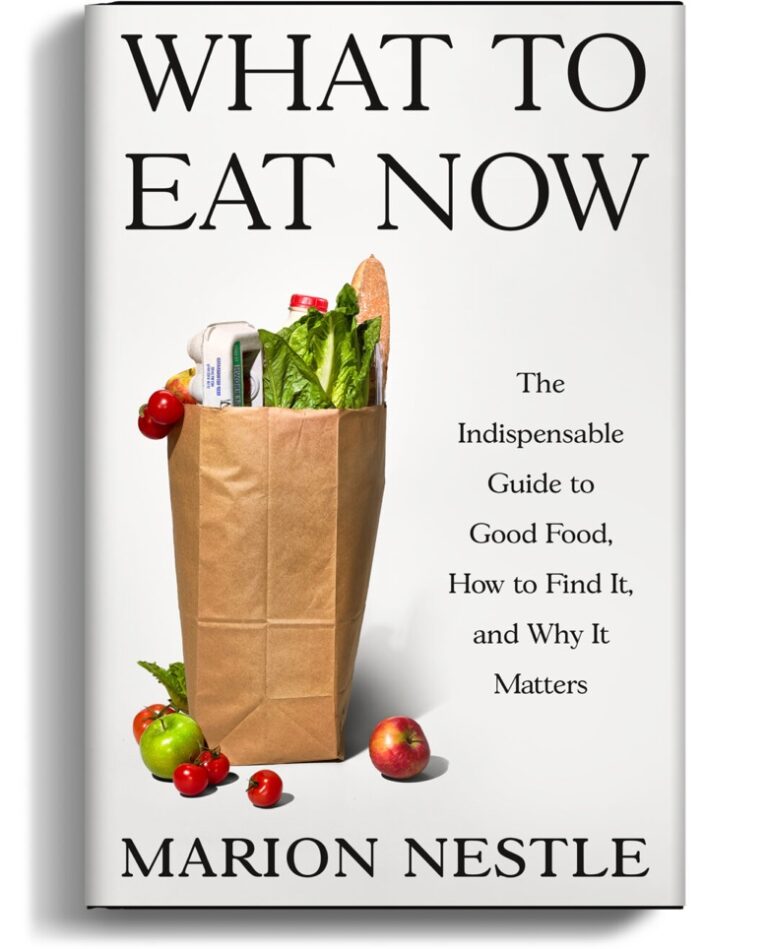
Now Available: What to Eat Now

My new book, What to Eat Now, is officially out!

It's both a field guide to food shopping in America and a reflection on how to eat well—and deliciously.

For more information and to order, click here.

You can explore the full archive of this (almost) daily blog at foodpolitics.comwhere you'll also find information about my books, articles, media interviews, upcoming lectures, favorite resources, and FAQs.


​​​​​​​

Marion Nestle

Paulette Goddard Professor of Nutrition, Food Studies, and Public Health at New York University, Emerita


© Marion Nestle. You're receiving this email because you've signed up to receive updates from us.

If you'd prefer not to receive updates, you can unsubscribe.


No comments:

Post a Comment

Latest from Food Politics: My latest publication: BMJ editorial on the dietary guidelines

Politics trump science in new US dietary guidelines Evidence takes a backseat to conflicting interests in the latest health mandates BMJ 202...