Wednesday, January 14, 2026

Latest from Food Politics: The MAHA Dietary Guidelines V. The Alcohol Non-Recommendation
The Dietary Guidelines for America 2025-2030 simply say “Limit alcoholic beverages: Consume less alcohol for better overall health. ”  They go on to specify who should not drink alcohol. People who should completely avoid alcohol include pregnant ...
‌ ‌ ‌ ‌ ‌ ‌ ‌ ‌ ‌ ‌ ‌ ‌ ‌ ‌ ‌ ‌ ‌ ‌ ‌ ‌ ‌ ‌ ‌ ‌ ‌ ‌ ‌ ‌ ‌ ‌ ‌ ‌ ‌ ‌ ‌ ‌ ‌ ‌ ‌ ‌ ‌ ‌ ‌ ‌ ‌ ‌ ‌ ‌ ‌ ‌ ‌ ‌ ‌ ‌ ‌ ‌ ‌ ‌ ‌ ‌ ‌ ‌ ‌ ‌ ‌ ‌ ‌ ‌ ‌ ‌ ‌ ‌ ‌ ‌ ‌ ‌ ‌ ‌ ‌ ‌ ‌ ‌ ‌ ‌ ‌ ‌ ‌ ‌ ‌ ‌ ‌ ‌ ‌ ‌ ‌ ‌ ‌ ‌ ‌ ‌ ‌ ‌ ‌ ‌ ‌ ‌ ‌ ‌ ‌ ‌ ‌ ‌ ‌ ‌ ‌ ‌ ‌ ‌ ‌ ‌ ‌ ‌ ‌ ‌ ‌ ‌ ‌ ‌ ‌ ‌ ‌ ‌ ‌ ‌ ‌ ‌ ‌ ‌ ‌ ‌ ‌ ‌ ‌ ‌ ‌ ‌ ‌ ‌ ‌ ‌ ‌ ‌ ‌ ‌ ‌ ‌ ‌ ‌ ‌ ‌ ‌ ‌ ‌ ‌ ‌ ‌ ‌ ‌ ‌ ‌ ‌ ‌ ‌ ‌ ‌ ‌ ‌ ‌ ‌ ‌ ‌ ‌ ‌ ‌ ‌ ‌ ‌ ‌ ‌ ‌ ‌ ‌ ‌ ‌ ‌ ‌ ‌ ‌ ‌ ‌ ‌ ‌ ‌ ‌ ‌ ‌ ‌ ‌ ‌ ‌ ‌ ‌ ‌ ‌ ‌ ‌ ‌ ‌ ‌ ‌ ‌ ‌ ‌ ‌ ‌ ‌ ‌ ‌ ‌ ‌ ‌ ‌ ‌ ‌ ‌ ‌ ‌ ‌ ‌ ‌ ‌ ‌ ‌ ‌ ‌ ‌ ‌ ‌ ‌ ‌ ‌ ‌ ‌ ‌ ‌ ‌ ‌ ‌ ‌ ‌ 

By Marion Nestle

The MAHA Dietary Guidelines V. The Alcohol Non-Recommendation

The Dietary Guidelines for America 2025-2030 simply say “Limit alcoholic beverages: Consume less alcohol for better
overall health.”  They go on to specify who should not drink alcohol.

People who should completely avoid alcohol include pregnant women, people who are recovering from alcohol use disorder or are unable to control the amount they drink, and people taking medications or with medical conditions that can interact with alcohol. For those with a family history of alcoholism, be mindful of alcohol consumption and associated addictive behaviors.

This guideline

  • Does not specify what is meat by “limit” or “less.”
  • Does not mention cancer as a risk of alcohol consumption.

These are big issues.  Excessive alcohol intake poses problems for society as well as for individuals: car accidents and gun violence, for example.

From a public health perspective, the lower the overall level of alcohol consumption in a population, the fewer the health and societal problems it causes.  The overall message always should be: drink as little alcohol as possible.

This message is complicated by evidence, highly contested, that low levels of alcohol might reduce risks for heart disease and overall mortality.  Even if correct, advice about alcohol would need to balance the purported benefits for heart disease against risks for cancer, particularly breast cancer.

The Biden-era 2025 Dietary Guidelines Advisory Committee did not discuss alcohol because the agencies were waiting for the results of commissioned reports on alcohol and health.  As it happened, three reports came out just after the DGAC submitted its report late in 2025.

Even so, the take-home lesson from all of these reports is that less alcohol is better.

At issue is how much less.

As I’ve explained previously, the dietary guidelines have long stated that 2 drinks a day for men and 1 for women (because women metabolize alcohol differently) is a safe amount.

The omission of these limits is difficult to interpret.  Do these guidelines consider those limits too low or too high?

At the press conference, Mehmet Oz said:

Alcohol is a social lubricant that brings people together. In the best-case scenario, I don’t think you should drink alcohol, but it does allow people an excuse to bond and socialize, and there’s probably nothing healthier than having a good time with friends in a safe way..You look at the Blue Zones, for example, around the world, where people live the longest. Alcohol is sometimes part of their diet…Again, small amounts. There is alcohol on these dietary guidelines, but the implication is don’t have it for breakfast.

Yes, but what is a “small amount?”  And what about cancer risk?  Shouldn’t people be warned?

As Roni Rabin put it:

Though there is robust debate within the medical community as to the relationship between moderate drinking and various forms of cardiovascular disease, there is more scientific certainty about the link between alcohol and at least seven types of cancer. Warnings about alcohol increasing the risk of breast cancer were included in the dietary guidelines 25 years ago. Former Surgeon General Dr. Vivek Murthy last year called for putting cancer warning labels on alcoholic beverages, similar to those for cigarettes.

The alcohol industry works unceasingly to convince everyone that alcohol poses no health risks.  Unfortunately, it does.

Yes, consume less, but how much less?  The guidelines leave this up to you to decide.

I see these dietary guidelines as a big win for the alcohol industry.

No wonder it supports them so enthusiastically: Distilled Spirits, Beer & Wine Associations Support New Health and Human Services 2025-2030 ‘Dietary Guidelines for Americans’

Moderation?  Whatever you think it means.

The post The MAHA Dietary Guidelines V. The Alcohol Non-Recommendation appeared first on Food Politics by Marion Nestle

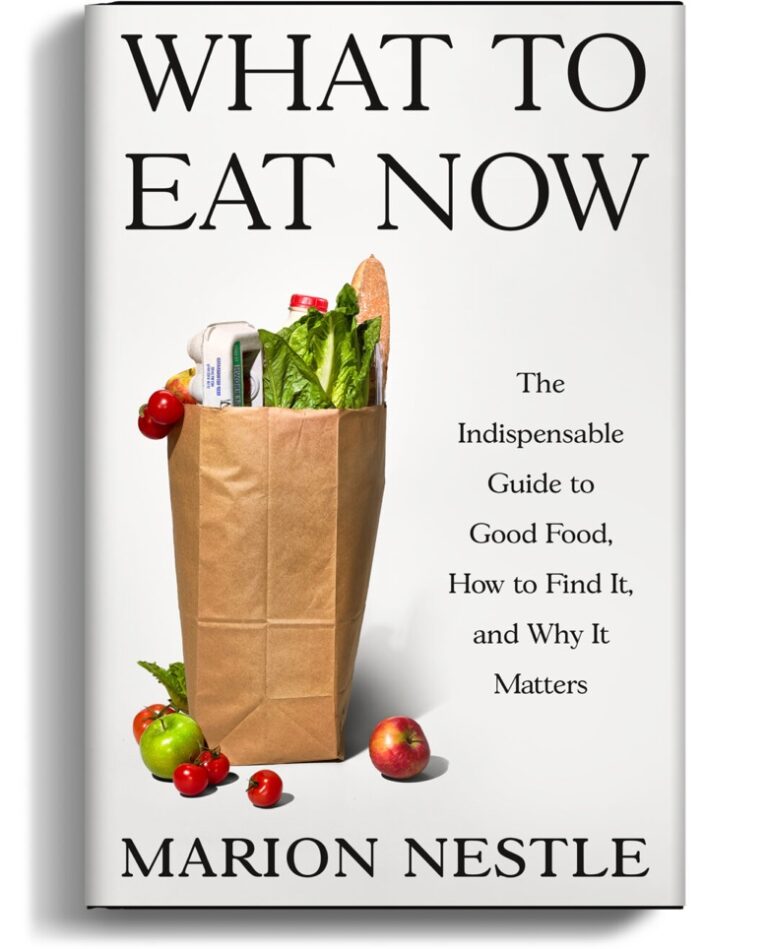
Now Available: What to Eat Now

My new book, What to Eat Now, is officially out!

It's both a field guide to food shopping in America and a reflection on how to eat well—and deliciously.

For more information and to order, click here.

You can explore the full archive of this (almost) daily blog at foodpolitics.comwhere you'll also find information about my books, articles, media interviews, upcoming lectures, favorite resources, and FAQs.


​​​​​​​

Marion Nestle

Paulette Goddard Professor of Nutrition, Food Studies, and Public Health at New York University, Emerita


© Marion Nestle. You're receiving this email because you've signed up to receive updates from us.

If you'd prefer not to receive updates, you can unsubscribe.


No comments:

Post a Comment

Latest from Food Politics: The MAHA Dietary Guidelines V. The Alcohol Non-Recommendation

The Dietary Guidelines for America 2025-2030 simply say “Limit alcoholic beverages: Consume less alcohol for better overall health. ”  They ...